
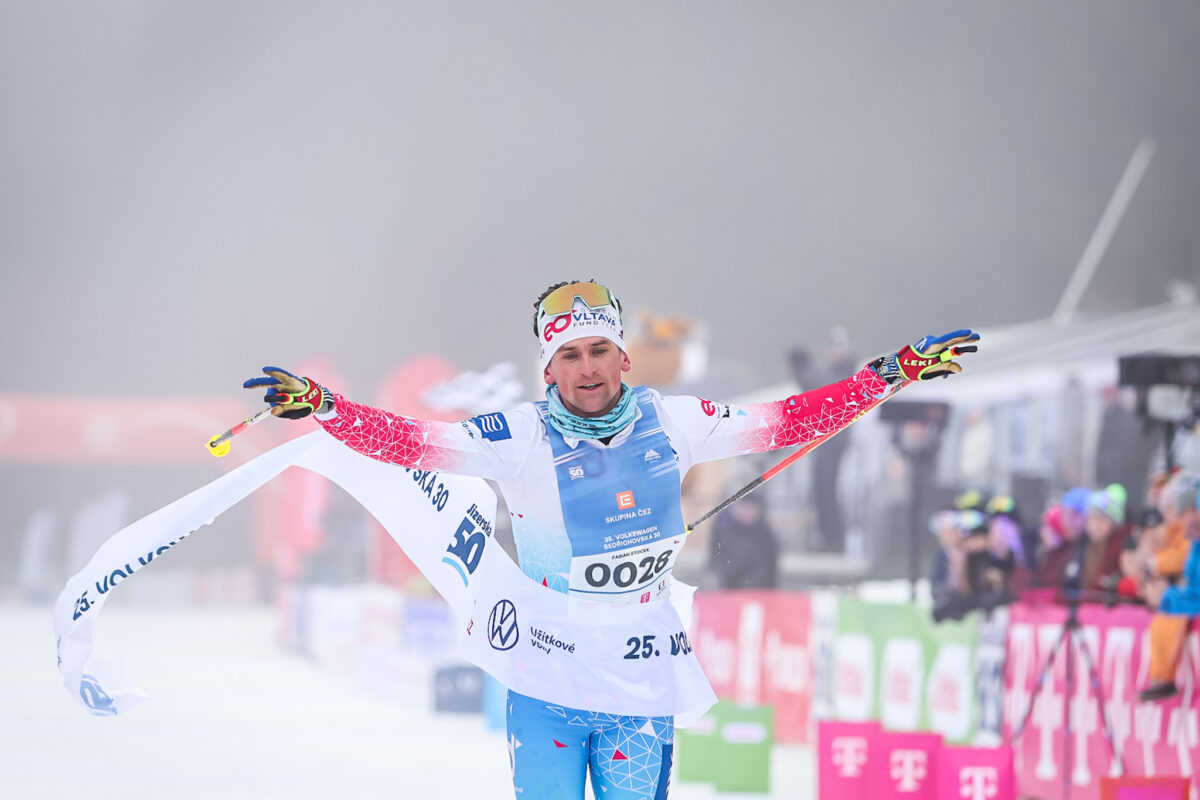
“I have to go back to feed my rats.”
That was my usual Sunday excuse when having to leave early from some snow-covered valley in Central Europe, right after finishing a long ski marathon. I would miss the sauna, the socializing, the proper recovery. But I had to get back to the lab, and back to my PhD research.
From a Small Ski Town to New Hampshire
I grew up in Jilemnice, a small Czech town known as the cradle of skiing. At 15, after my first year of gymnázium (Czech secondary or high school), I crossed the Atlantic alone to attend a high school in New Hampshire. Suddenly, I was in charge of my own path: I chose where I trained, I chose what I studied, and I decided how seriously I wanted to chase either of those.
Skiing became my entry point, a way to make friends and find somewhere to belong. But I was also fascinated by studying motivation itself: how it works, why people push through difficulty, and how habits form. That curiosity, combined with my athletic results, eventually opened the door to an Ivy League education for me.
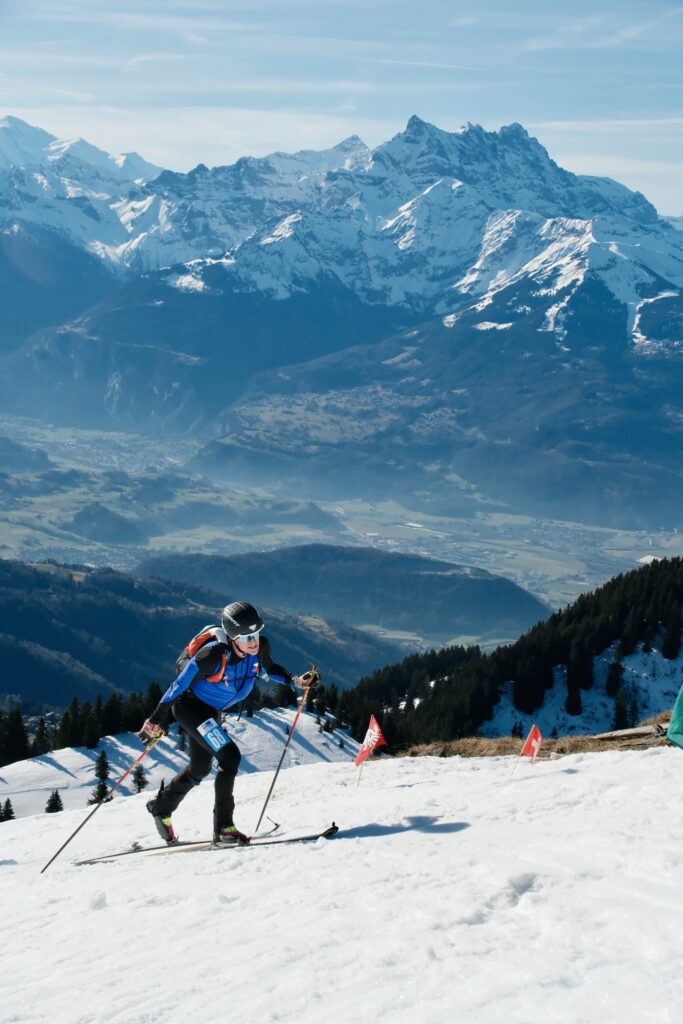
Early Morning Ski Training, Science by Night
At Dartmouth College, I chased after a trifecta. During my early mornings, I trained with skiers who were part of the US national ski team. During the day, I got to experience a liberal arts degree, writing plays, getting my Chinese intonations right and studying neuronal vesicle release. At night, I worked in a neuroscience lab, performing surgeries to inject opsins into the dorsolateral striatum of rats, using optogenetics to study how motivation turns into habit, and how habit can become addiction.
By my senior year, I was listed as a co-author on a paper in the Journal of Neuroscience and I had placed 5th at the NCAA Championships (National Collegiate Athletic Association, a body governing US college sports). That combination – publications and performance – convinced me that both worlds, science and sport, could fit into one life.
Skipping the Master’s in Europe
After graduation, I took my first “ski sabbatical.” While training and racing, I applied to neuroscience graduate programs across Europe and, more importantly, visited professors whose work I admired. Most bachelor’s students never knock on a PI’s door with in-depth research questions. Doing so taught me a lot, and it also made me bold enough to ask: could I go straight into a PhD program without a master’s?
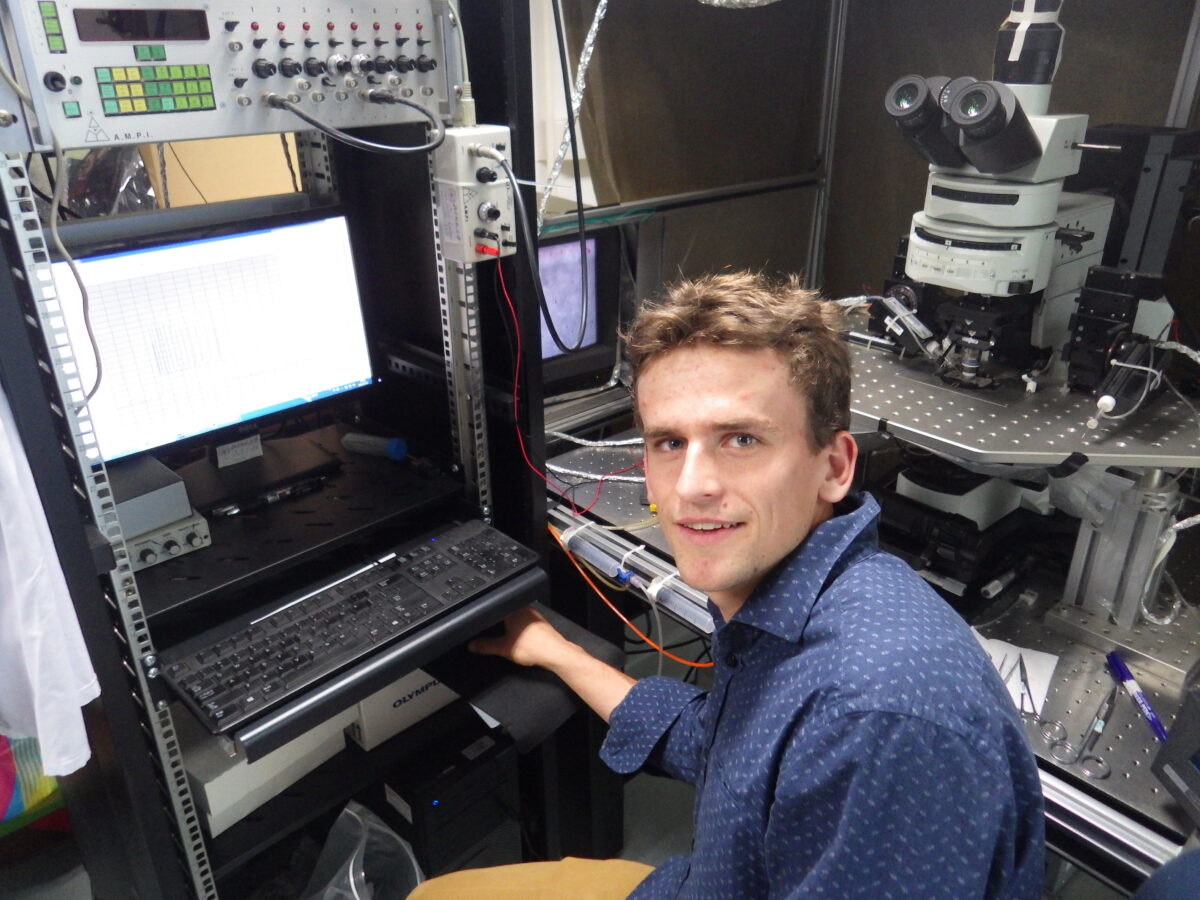
In the US, that’s standard. A four-year bachelor’s degree is enough to start a PhD. Europe is different: a three-year bachelor’s degree typically leads into a two-year master’s. I had only four years, but some professors agreed, since I had worked in a lab starting from my first year of college, to count the last year as an equivalent to a master’s fast-track year in Europe. Looking back, I realize I was lucky to be given this opportunity. My logic was simple: once you have a PhD, nobody asks about your master’s thesis. The graduate program offered a nice oversight structure and the PI was one of the only ones who drilled down on my bachelor research thoroughly. I got his name when asking my college professors about tips for potential future mentors.
Lab Meetings on Friday, Ski Races on Sunday
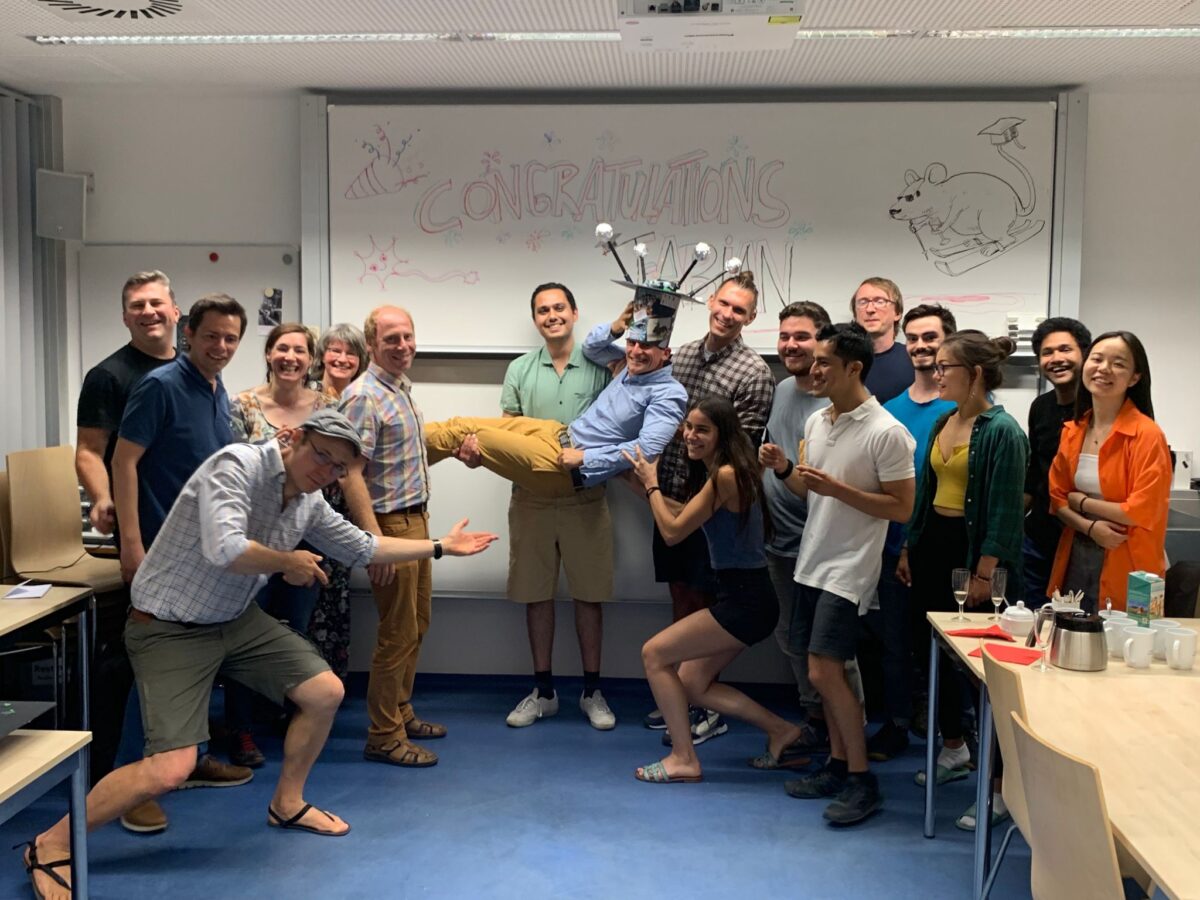
Munich and the Ludwig Maximilians University (LMU) there became my base: weekdays in the lab, weekends at ski marathons across the Alps. A regular occurrence was a Friday lab meeting, from which I travelled straight to an evening ski testing for a race in Engadin, Val di Fiemme, Valle d’Aosta, or back in the Czech Jizera mountains. The only time I discussed this with my Russian physicist-turned-theoretical neuroscientist PI was when I competed at the World University Games in Krasnoyarsk in Russia. I mentioned that in a race where I finished 6th, the medals were handed out by Vladimir Putin! My PI was utterly unimpressed.
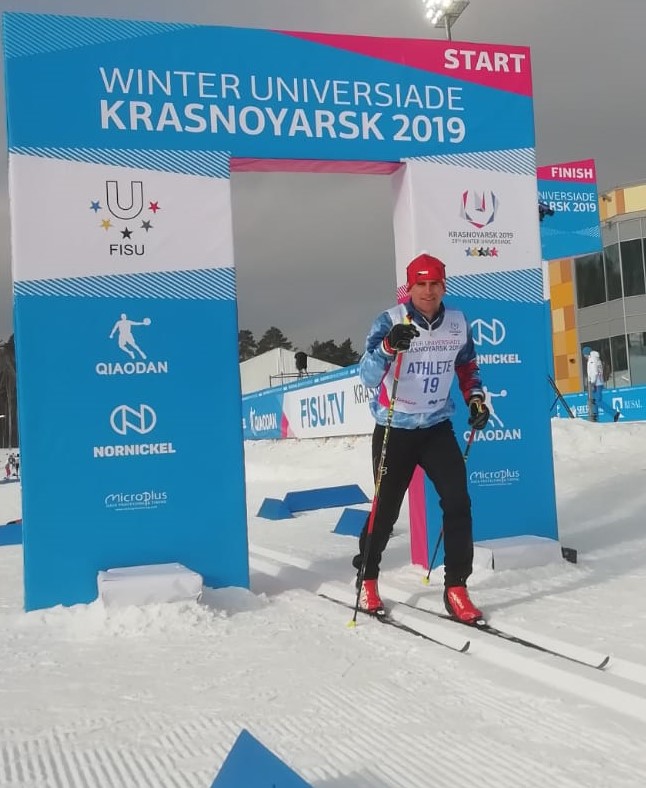
I had no coach, so I coached myself, fitting training around experiments. The independence of research translated well into independence on skis. Especially with most academics arriving in the lab well after 9am, giving enough time for intervals on roller skis in the morning. It was no quick magic, no one trick that did it for me, just consistency, a habit nurtured from my bachelor studies where I knew both worlds could fit into one life.
By the time I submitted my dissertation, I was winning races, got invited to present my science at Harvard and earned support from a professional team in a televised long distance ski series, the Ski classics, the Tour de France of cross country skiing.
Professional Skiing and the Next Transition
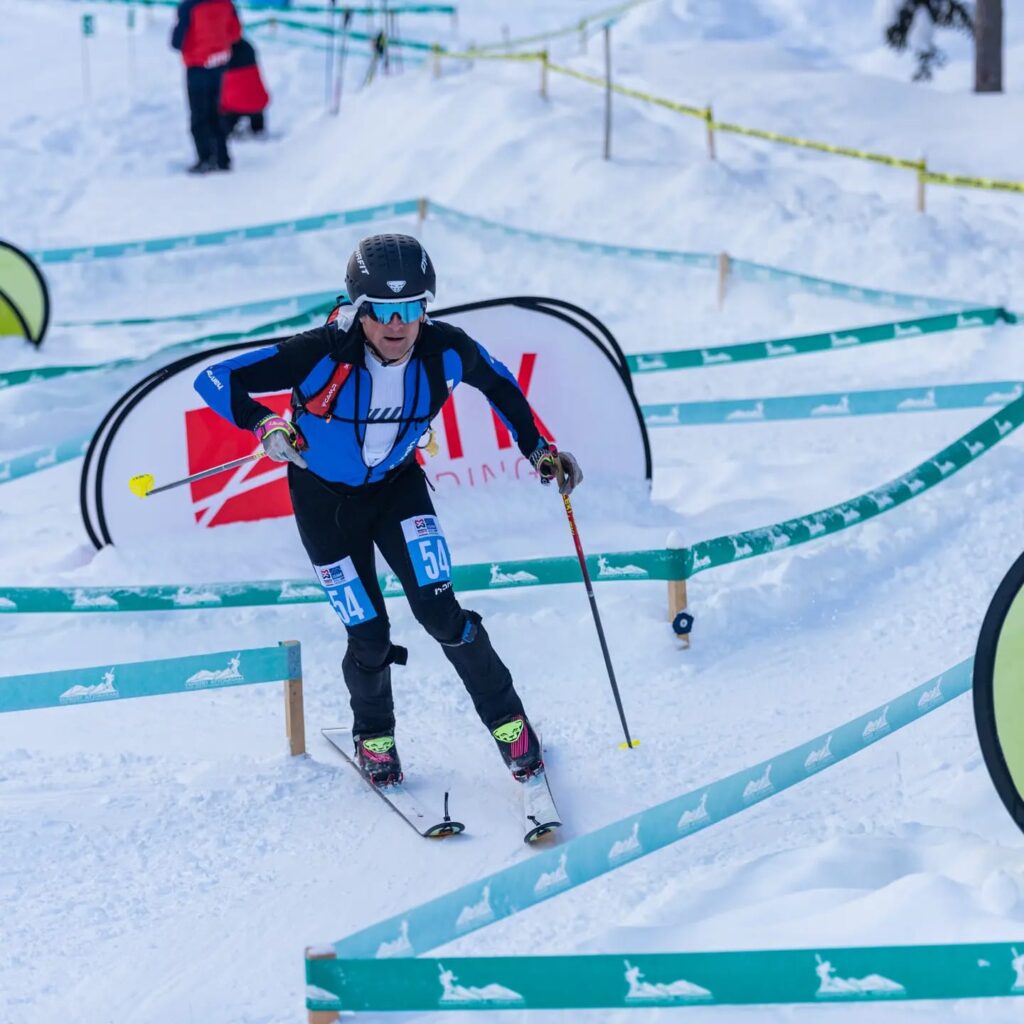
After defending my PhD, I took another sabbatical, this time focusing fully on skiing. I joined the Czech national ski mountaineering team, raced World Cups, and became a full-time professional Nordic skier. The same curiosity that once kept me in the lab now drives me to test how far training and data can push human performance. The lure of academia hasn’t quite left me. I have worked for a Swiss startup which is using inertial measuring units to capture sub second movement details and combines this with most up-to-date academic research in sports science to aid national level coaches.
Final Thoughts
Skipping the master’s degree wasn’t a trick, it was a mix of timing, persistence, and luck. Balancing elite sport with research wasn’t easy either, but both provided me with skills useful for the other: resilience, creativity, independence.
I don’t know yet what comes after professional sport. But if there’s one lesson I’ve learned, it’s this: you don’t have to choose a single path too early. Sometimes feeding rats after a ski marathon is exactly the combination that keeps you moving forward.
If you are interested in hearing more about my story, you can also listen to an interview with me (in Czech) by Jakub Stejskal from Podcast Inspiro.
Fabián Štoček
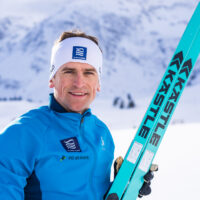
Fabián Štoček is currently a professional long distance Nordic skier, placing as the best Czech at Jizerská 50, as well as competing for the Czech national ski mountaineering team at the World Championships. He finished his PhD in Munich focusing on freely moving virtual reality in combination with in vivo electrophysiology to understand navigation and memory. He has since transitioned to use analytical skills in sports science, working with a variety of startups in Czechia and in Switzerland where he is based.